About Panama
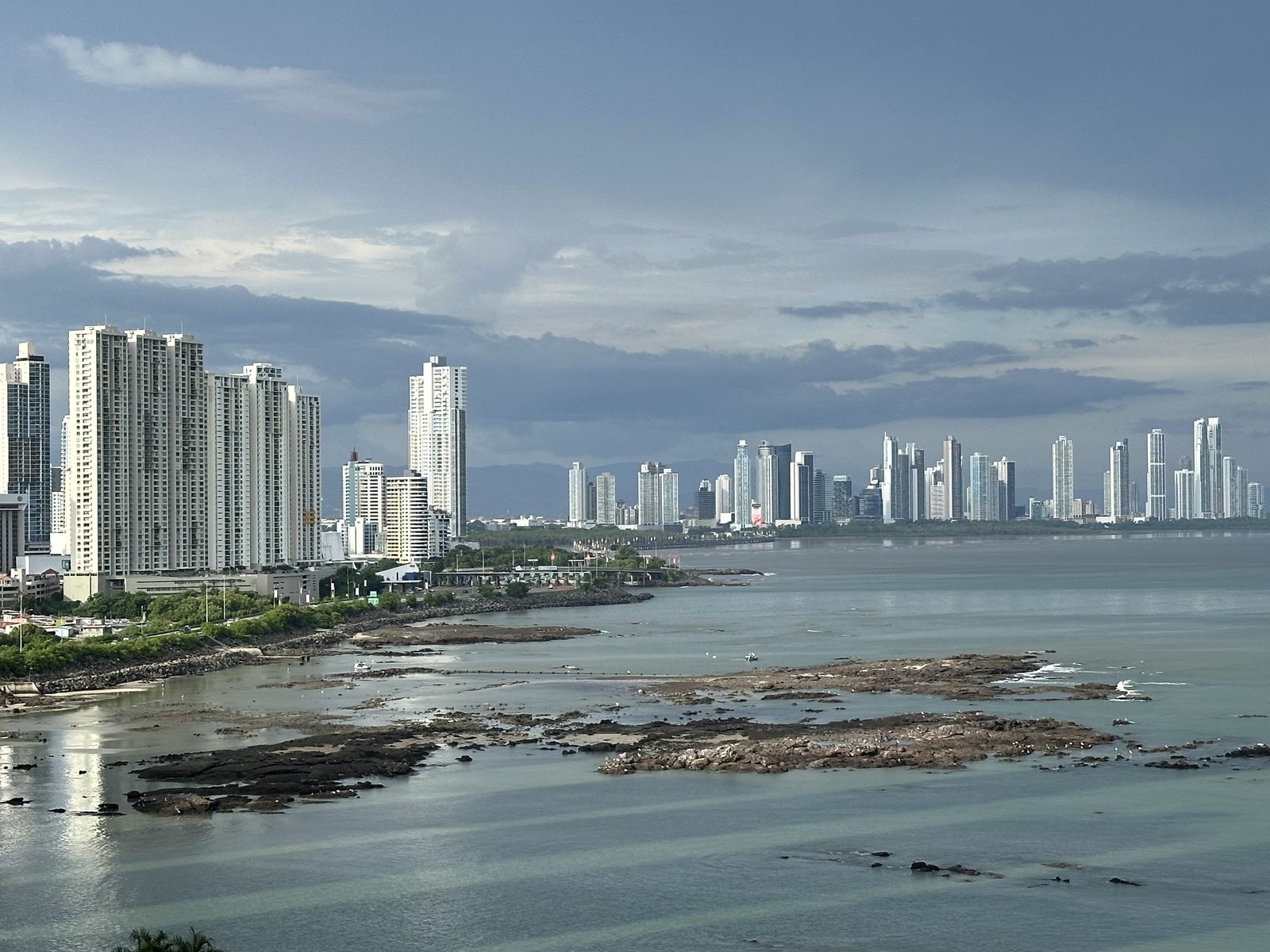
A small country at the crossroads of the Americas, with two oceans, a world-famous canal, a UNESCO-listed old city, rainforest inside the capital, mountain towns and a long tradition as a hub for trade, banking and travel.


At a glance
Size and people
Just over 75,000 km² with roughly 4.3 million people.
A dollar-based economy
The US dollar has circulated here for over a century, and there is no central bank printing a local currency, so inflation has stayed low.
A regional hub
Tocumen Airport connects to dozens of destinations; five major ports, three Atlantic and two Pacific, sit near the canal; and many submarine fiber cables land here.
A banking center
More than 60 international banks operate from Panama City.
Two coasts and cool highlands
Pacific and Caribbean beaches, islands, rainforest, and mountain towns such as El Valle de Antón and Boquete.
Options for newcomers
Several residency routes and a set of business regimes for companies.
A short history
Where the country comes from.
The isthmus rose from the sea around 2.8 million years ago, separating the Atlantic and Pacific and joining North and South America, a change that reshaped the world's climate and biodiversity.
In colonial times the Spanish Crown made Panama the funnel for the gold and silver of the Pacific coast. Treasure crossed the isthmus on the Camino Real and the Camino de Cruces to the Atlantic, where forts at Portobelo and San Lorenzo guarded it before it sailed to Spain. That trade brought pirate legends, including Henry Morgan's attack on old Panama City and the death of Sir Francis Drake off Portobelo.
In the mid-1800s the first transcontinental railroad carried travelers during the California gold rush. The French began a canal in 1881, the Americans finished it in 1914, and Panama took full control on 31 December 1999. See the canal timeline below.
Panama City and Casco Antiguo
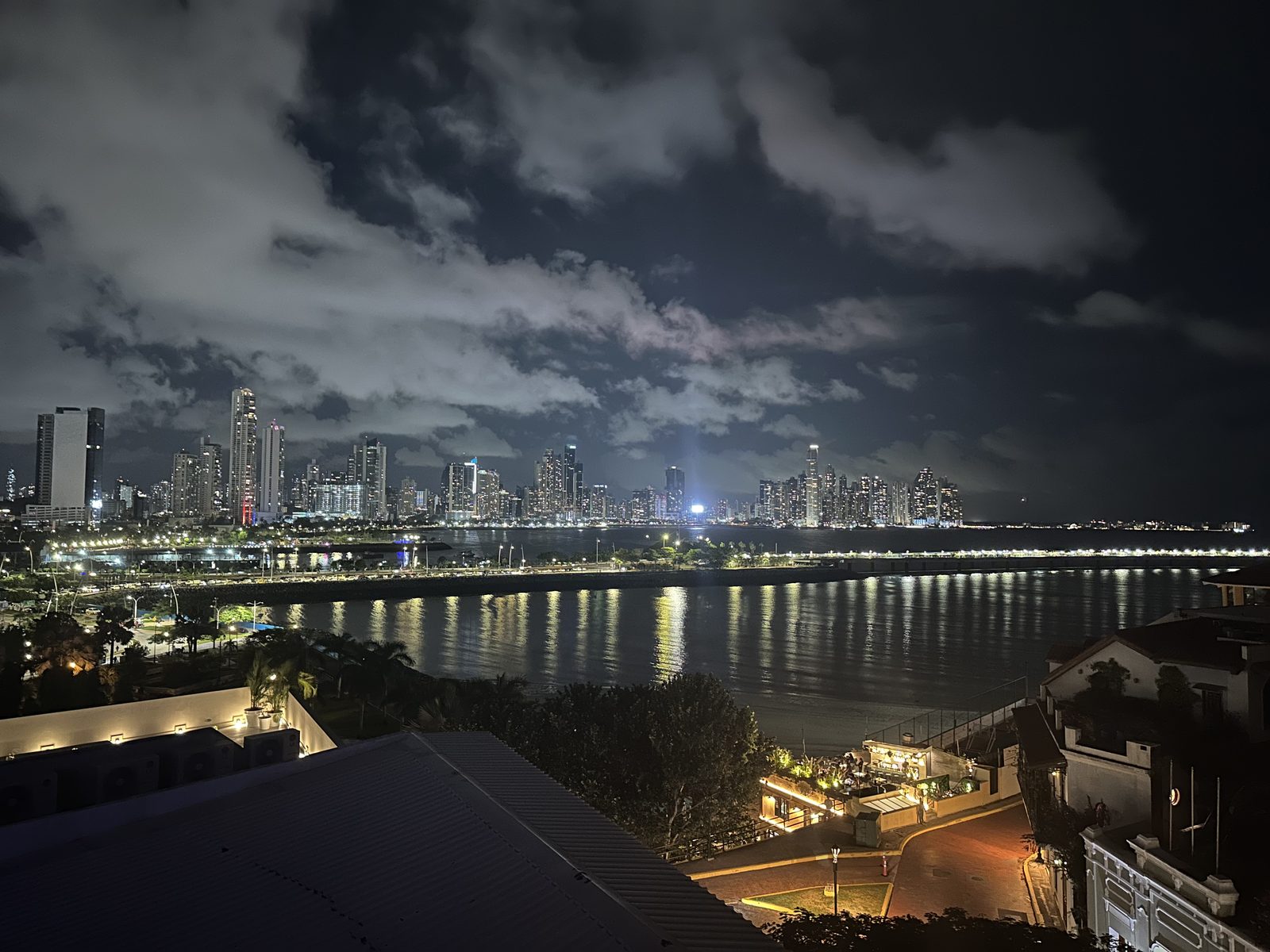
The modern capital next to a UNESCO World Heritage old town.
Casco Antiguo (also called Casco Viejo), in the San Felipe neighborhood, was founded in 1673 after pirates destroyed the original city, now known as Panamá Viejo. Its stone buildings mix Spanish and French colonial styles, with cobbled streets, balconies and colorful doors. It is part of the UNESCO World Heritage listing for the Historic District of Panamá, together with the Panamá Viejo ruins.
- Plaza de la IndependenciaThe main square, with the Cathedral, the Interoceanic Canal Museum and government buildings.
- Plaza de FranciaA tribute to the French role in the canal, beside the old sea wall.
- Plaza Herrera and Plaza Santa AnaRestaurants, cafés and the famous Coca-Cola Café.
- Paseo Esteban HuertasA walk along the old city wall with views of the bay and the skyline.
Casco Antiguo is now one of Panama City's main tourist destinations, with museums, boutique hotels, craft breweries, rooftop bars and shops for handicrafts. It is best on foot. Parking is scarce, so many visitors park at Cinta Costera 3 and walk in, or use a taxi or ride-sharing app.
Nature and beaches
A rainforest and the sea within reach of the capital.
Metropolitan Natural Park
A 265-hectare tropical forest inside Panama City, described as the only wildlife refuge in the city. Trails lead to canopy views of the skyline; about 227 bird species and 45 mammal species have been recorded. It is minutes from downtown.
Beaches within an hour
Pacific beaches are a short drive from the capital: Playa Veracruz and Playa Bonita close to the city, and the Gorgona, Coronado and San Carlos coast roughly an hour away. Times are approximate and depend on traffic.
Islands
Taboga, the island of flowers, is a short ferry ride from the capital, and the Pearl Islands, Bocas del Toro and Guna Yala are further afield.
Highlands
Cooler mountain getaways include El Valle de Antón and Boquete.
Culture and traditions
The interior keeps Panama's folklore alive.

- CarnivalThe four days before Ash Wednesday. Las Tablas is the most traditional, split into rival "Calle Arriba" and "Calle Abajo" with queens, floats and comparsas. Penonomé, Chitré and Panama City each have their own version. Daytime street parties called culecos have trucks spraying water on the crowd, and the festival ends with the Burial of the Sardine.
- The Azuero peninsulaThe folkloric heartland: Las Tablas, Chitré, La Villa de Los Santos and Ocú. Panama's First Cry of Independence came from La Villa de Los Santos on 10 November 1821.
- Corpus ChristiIn La Villa de Los Santos, dancers in red devil masks, the diablicos sucios, perform in a traditional festival, usually late May or June.
- Dress and musicThe pollera is Panama's national dress for women. Típico music with the accordion, the tamborito drum dance and folk festivals such as the Festival del Manito in Ocú keep rural traditions going.
- Everyday cultureWarm, informal and family centered, mixing Spanish, African and Indigenous influences, with Guna, Emberá and Ngäbe-Buglé communities keeping their own languages and crafts.
Festival dates move each year; check local sources before you travel.
National holidays
2026 calendar.
| Date (2026) | Holiday |
|---|---|
| 1 January | New Year's Day |
| 9 January | Day of the Martyrs |
| 17 February | Carnival Tuesday |
| 3 April | Good Friday |
| 1 May | Workers' Day |
| 3 November | Separation of Panama from Colombia (1903) |
| 5 November | Colón Day, consolidation of the separation |
| 10 November | First Cry of Independence, La Villa de Los Santos |
| 28 November | Independence from Spain (1821) |
| 8 December | Mothers' Day |
| 20 December | Day of national mourning for the 1989 US invasion |
| 25 December | Christmas |
Source: La Estrella de Panamá. November is often called the month of the homeland, with parades and school bands in the streets.
The Panama Canal
Sources: Wikipedia, Autoridad del Canal de Panamá.
The canal cuts across the isthmus for about 82 km (51 miles), lifting ships through locks up to an artificial lake and back down to the other ocean. It opened in 1914, came under full Panamanian control at noon on 31 December 1999, and reopened with larger locks in 2016. Roughly 5% of world trade is said to pass through it each year.
Timeline
| Year | What happened |
|---|---|
| 1513 | Vasco Núñez de Balboa crosses the isthmus and sees the Pacific. |
| 1881 | A French company begins digging. Disease and finances defeat it; it goes bankrupt in 1889, with an estimated 22,000 deaths. |
| 1903 | Panama declares independence from Colombia on 3 November and signs a canal treaty with the United States days later. |
| 1904 | The United States takes over the canal property and starts construction. |
| 1914 | The canal opens on 15 August. |
| 1977 | The Torrijos-Carter Treaties set the path to Panamanian control. |
| 1999 | Panama takes full control of the canal on 31 December. |
| 2007-2016 | The expansion builds a third set of larger locks, which begin commercial operation in June 2016. |
Sources differ on some dates for the expansion opening; check the Autoridad del Canal de Panamá for official figures.
Doing business in Panama
Sources: Biz Panama research, Ministry of Commerce and Industries presentations (2020 to 2021), Visit Panamá, Wikipedia.